Between February 2011 and July 2013, the site facilitated sales amounting to 9,519,664 bitcoins. As part of the dark web, Silk Road operated as a hidden service on the Tor network, allowing users to buy and sell products and services between each other anonymously. Save my name, email, and website in this browser for the next time I comment. Its perceived anonymity made it attractive for conducting transactions on the site, although it wasn’t perfectly untraceable. He believed in creating a free market, even for illicit goods, to challenge government overreach and promote individual freedom. As the site grew, so did the sophistication of its operations, with Ulbricht reportedly hiring staff and implementing security measures to protect the platform from intrusion.
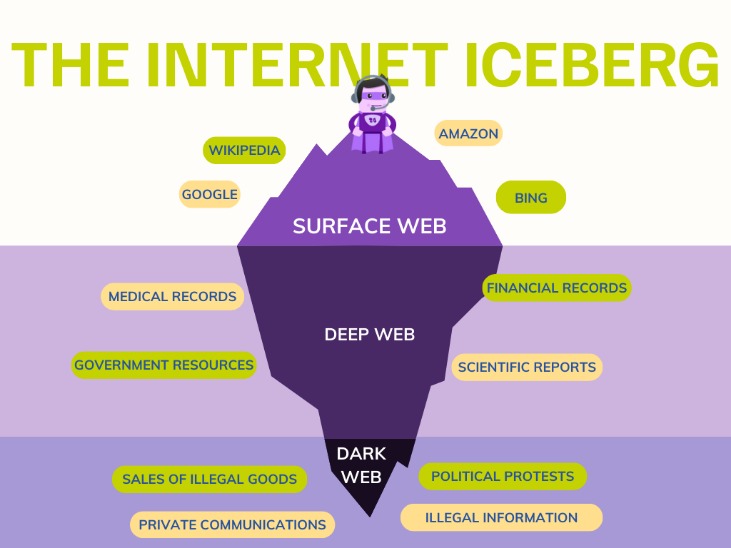
The Dark Web Silk Road was an infamous online marketplace that operated on the dark web, enabling users to buy and sell illegal goods and services anonymously. Established in 2011 by a figure known as "Dread Pirate Roberts," this platform shaped the landscape of online illicit trade, leveraging the anonymity provided by cryptocurrencies like Bitcoin. Silk Road became both a symbol of the potential and peril of the dark web, raising questions about privacy, legality, and the future of online commerce.
Dark Web Silk Road
The Dark Web Silk Road specifically allowed users to engage in transactions without revealing their identities. Here's a deeper look into how it operated:
He was charged with drug trafficking, hacking, money laundering, and running a criminal enterprise. At the time, the government’s total sale of 174,000 BTC brought in roughly $150 million. These auctions quickly became iconic moments in crypto history. What became of this digital treasure—one of the largest “accidental HODLs” in history?
Silk Road was the first modern darknet market, known for providing a platform to buy and sell illegal drugs and promoting other illicit activities. The closure of Silk Road marked a turning point as law enforcement ramped up efforts to target similar marketplaces. Despite its eventual shutdown, Silk Road remains a landmark in the history of cyber black markets.
How the Silk Road Functioned
- Anonymous Browsing: Users accessed Silk Road using the Tor network, which anonymized their IP addresses.
- Bitcoin Transactions: Payments were made with Bitcoin, providing an additional layer of privacy.
- Escrow System: The platform used an escrow service to hold payments until buyers confirmed receipt of goods.
- Ratings and Reviews: Similar to traditional e-commerce, users could leave ratings and reviews for sellers, establishing trust.
Goods and Services Offered
The Dark Web Silk Road was notorious for its wide variety of illicit offerings. Some common categories included:
- On 6 November 2014, authorities with the Federal Bureau of Investigation, Europol, and Eurojust announced the arrest of Blake Benthall, allegedly the owner and operator of Silk Road 2.0 under the pseudonym "Defcon", the previous day in San Francisco as part of Operation Onymous.
- Over the 2+1⁄2 years in which the website was in operation, it generated $183 million in sales and $13 million in commissions, based on the value of bitcoin at the time of transactions.
- Senator Chuck Schumer asked federal law enforcement authorities to shut it down, including the Drug Enforcement Administration (DEA) and Department of Justice.
- By leveraging the anonymous Tor web browser and untraceable cryptocurrency, he soon realized his vision for a decentralized marketplace.
- All transactions were conducted with bitcoin, a cryptocurrency which aided in protecting user identities.
- Get powerful security for your iPhone with Avast Mobile Security
- Drugs: The most prevalent items available, ranging from marijuana to harder substances.
- Counterfeit Items: Fake identification documents, passports, and currency.
- Hacking Services: Services for hacking into personal and corporate accounts.
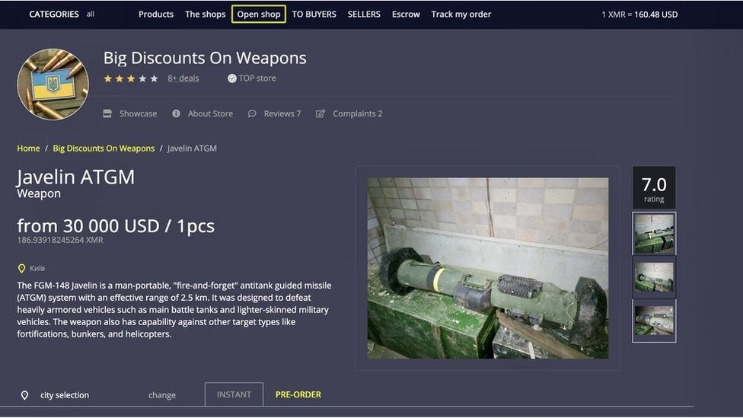
- Weapons: Illegal arms trades facilitated by anonymity.
Impact and Legacy
Silk Road raised significant legal and ethical questions. Its shutdown by law enforcement in 2013 marked a critical moment in dark web history. The consequences included:
- Increased Scrutiny: Governments worldwide heightened their focus on online illicit activities.
- Emergence of Competitors: Following Silk Road's closure, various other dark web marketplaces appeared, often incorporating lessons learned from Silk Road.
- Cryptocurrency Evolution: It played a key role in boosting the popularity of cryptocurrencies, demonstrating their potential for anonymous transactions.
FAQs About the Dark Web Silk Road
Q: Was Silk Road legal?
A: No, Silk Road operated illegally by facilitating the sale of prohibited items.
Q: How did law enforcement take down Silk Road?
A: A combination of undercover operations and intelligence gathering led to the arrest of its founder and the eventual shutdown of the site.
Q: Is the dark web safe to explore?
A: While the dark web contains legal content, it also harbors illegal activities and can expose users to risks, including scams and legal consequences.
The journey of the Dark Web Silk Road has left a lasting impact on how we view online commerce, privacy, and law enforcement in the digital age. Its rise and fall serve as a cautionary tale about the complexities of modern technology and the continuous battle against illicit activities online.