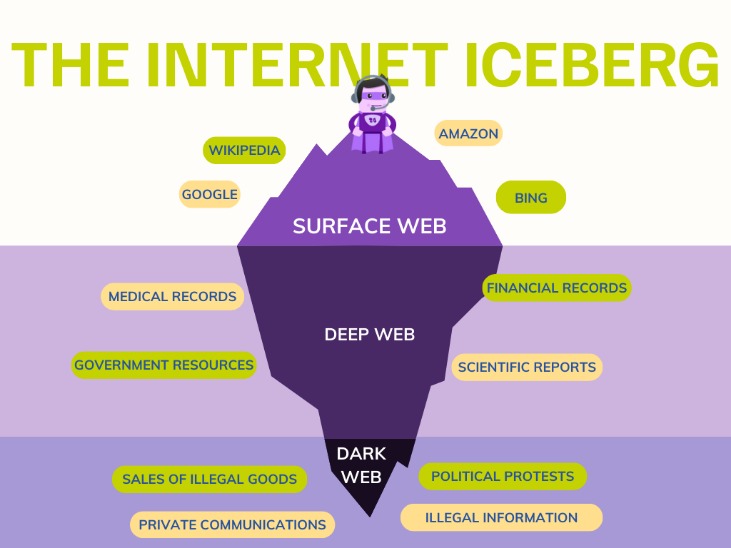
The dark web has garnered significant attention in recent years, often associated with illicit activities and underground markets. However, it remains a complex and multifaceted part of the internet that offers more than just anonymity for illegal transactions. Dark web search engines play a crucial role in navigating this obscure digital landscape, providing users with the tools necessary to access its content while maintaining their privacy.
Also, you will need a particular kind of dark web browser to access the dark and deep web. It’s important to remember that the ‘dark web’ is a specific, hidden part of the much larger ‘deep web.’ If you’re unsure about the distinction, our article on dark web vs. deep web uncovers the difference and clears it up perfectly. Search engines for the dark web are highly specialized resources that are designed to search the dark web. Some offer safer, filtered results, while others provide unrestricted access.
Dark Web Search Engine
However, no matter how much you try to stick to legal websites, you can still land on illegal or highly disturbing content. Many dark net sites do not undertake the necessary measures to protect users like most websites on the surface web. So, we recommend using the official Tor Browser only as the only safe way to access .onion sites unless you have in-depth tech knowledge and know what you’re doing. Other sites explicitly block search engines from identifying them. You can access it with regular web browsers and search engines.
A dark web search engine allows users to locate specific content hidden beneath the surface web. Unlike standard search engines like Google or Bing, which index publicly available websites, dark web search engines index sites that are only accessible through specialized software, often requiring the use of the Tor browser. This software enables users to browse anonymously, ensuring their identities and locations are concealed.
- While accessing the dark web using Mozilla Firefox is possible, you must first adjust its settings.
- Many people see hacked information and stolen card data being sold on the dark web.
- Quick, lightweight searches
- It might show you directories or references to them, but for serious dark web exploration you’ll need other engines on this list.
- Instead, they are designed using a cryptographic key and can be accessed only through software like the Tor browser.
The Functionality of Dark Web Search Engines
After a breach, security teams need to understand what data was stolen and where it went. These brokers sell network access on dark web forums. These tools support several critical security functions.
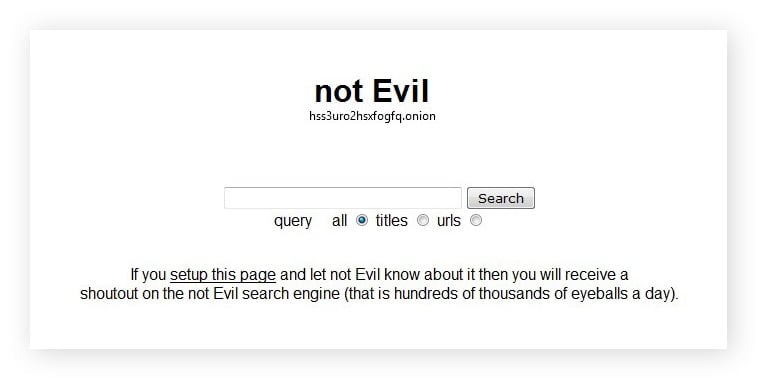
Dark web search engines operate differently than typical ones. They often focus on indexing onion sites, which have URLs ending in .onion. These sites offer a variety of services, from forums discussing cryptography to marketplaces for fictional goods. Popular dark web search engines include Ahmia, Not Evil, and Grams. Each of these search engines has its unique features and databases, catering to various user needs on the dark web.
- Use a VPN before connecting to Tor for added security.
- These sites aren’t just important resources; they’re like lifelines used to serve readers living under oppressive regimes.
- Since you are navigating in uncharted territories with all the myriad threats today, you’ll have to disable them in your network settings to stay safe.
- Dark web search engines remain useful for specific tasks.
- Additionally, hidden wiki websites function as directories of categorized .onion links, providing common entry points for users delving into the hidden internet.
Challenges in Using Dark Web Search Engines
While dark web search engines provide valuable access points, they come with significant challenges. Results can sometimes be unreliable due to the ever-changing nature of dark web content. Additionally, users may encounter
Ethical Considerations
The use of a dark web search engine raises ethical questions. While many individuals seek information and forums that promote free speech, there are undeniable risks associated with accessing certain content. The existence of criminal enterprises on the dark web cannot be ignored, prompting debates about the responsibility of search engine developers and users alike. It is essential for users to reflect on their intent and the potential implications of their activity within this hidden realm.
The Future of Dark Web Search Engines
As the digital landscape evolves, so too will dark web search engines. Innovations in technology and privacy measures will likely reshape how users interact with this part of the internet. Moreover, the ongoing cat-and-mouse game between law enforcement and cybercriminals will continue affecting the accessibility and reliability of dark web content. Understanding these dynamics is essential for anyone interested in exploring the depths of the dark web.
In conclusion, dark web search engines serve as crucial navigational tools for users venturing into the depths of the internet's hidden corners. While they can provide access to a wealth of information and resources, it is imperative for users to approach them with caution, awareness, and a strong ethical framework.