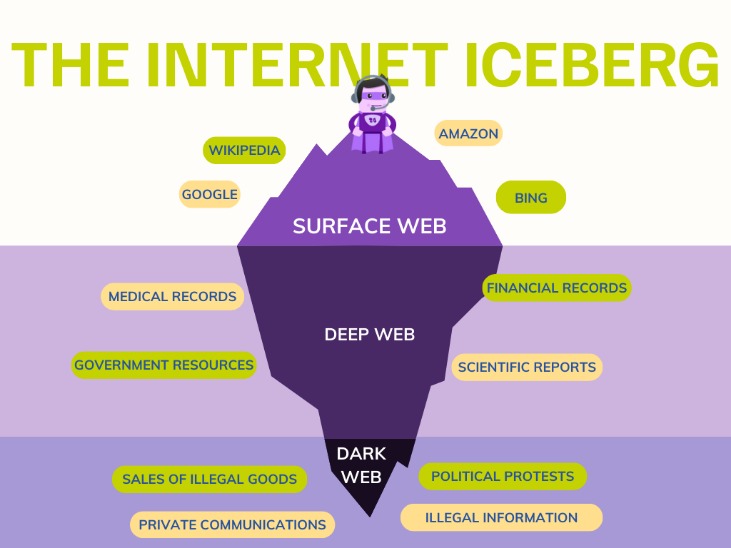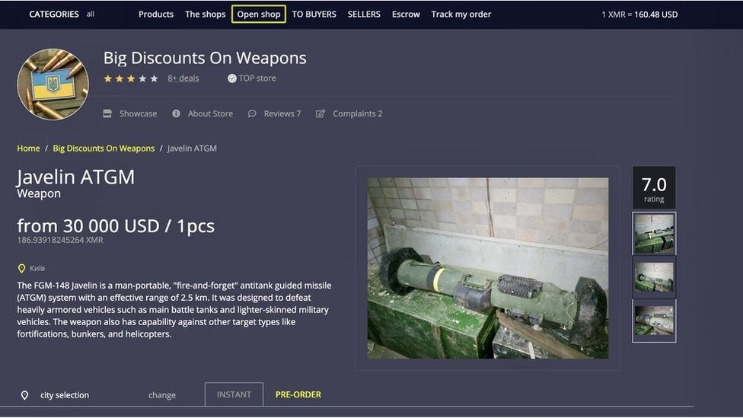
The dark web is a mysterious and often misunderstood part of the internet that exists beneath the surface web we all use daily. While many associate it with illegal activities, it also serves as a platform for anonymity, free speech, and privacy. Navigating this hidden realm requires specific tools and knowledge, particularly when it comes to conducting a dark web search. In this article, we’ll delve into the methods and tools used for searching the dark web, as well as the challenges and considerations one must keep in mind while exploring this underground network.
Dark Web Search
To initiate a dark web search, one typically needs to access specialized software that allows for browsing deep web content. The most common tool for this purpose is the Tor browser, which anonymizes users’ locations and activities. By routing internet traffic through a network of volunteer-operated servers, Tor facilitates access to .onion sites—domains only reachable through the Tor network. This unique browsing experience presents numerous challenges, including significantly slower connection speeds and varying site reliability.
Tools for Dark Web Searching
Apart from the Tor browser, several tools can enhance the dark web search experience. Search engines designed for this specific environment have emerged, with varying degrees of effectiveness. Some popular search engines include:
- Ahmia – A search engine that indexes .onion sites while attempting to filter out any illegal content.
- Not Evil – Another engine focused on allowing users to explore hidden services.
- Grams – A dark web search engine tailored for finding listings in underground markets.
These search engines help streamline the dark web search process, making it easier to find specific content amidst the vast expanse of hidden websites.
Challenges of Searching the Dark Web
While the dark web search can uncover a wealth of information, it is not without its challenges. The most significant issues arise from:
- Security Risks – Users may encounter malicious sites that can compromise their devices or personal information.
- Legal Concerns – Engaging with illicit content can lead to severe legal repercussions.
- Data Reliability – The nature of the dark web means that information can often be misleading or unverified.
These factors underscore the importance of exercising caution and employing robust security measures, such as using a VPN, before initiating any dark web search.
Benefits of Dark Web Search
Despite the risks, there are notable benefits to conducting a dark web search. For example:
- Access to Uncensored Information – In regions with oppressive regimes, individuals can find uncensored news and resources.
- Market Research – Researchers can study illicit trade and the dynamics of the underground economy.
- Privacy – Individuals seeking anonymity can communicate freely without the fear of surveillance.
The benefits highlight that not all activities associated with the dark web are criminal; rather, it serves various purposes that can empower users.
The Future of Dark Web Search
As internet privacy issues intensify, the demand for effective dark web search tools and services is likely to grow. Organizations that prioritize security and anonymity are working on innovative technologies to enhance the user experience while protecting individual rights. As users become more aware of the implications of their digital footprint, the dark web may play an increasingly vital role in discussions about privacy and freedom of expression.
In conclusion, understanding how to conduct a dark web search can unlock a myriad of opportunities while simultaneously posing unique challenges. Those who venture into this hidden corner of the internet must remain vigilant, informed, and respectful of the boundaries that define its vast and enigmatic landscape.